June 18, 2026
Understanding the importance of regular cesspool maintenance is crucial for homeowners. This article explores how often a professional cesspool pumping company should service your system, ensuring longevity and efficiency. Cesspools, unlike other waste management systems, require specific attention due to their unique nature. Regular maintenance helps prevent overflow, contamination, and costly repairs. By adhering to proper service schedules, homeowners can maintain a healthy and environmentally safe property.
The Basics of a Cesspool
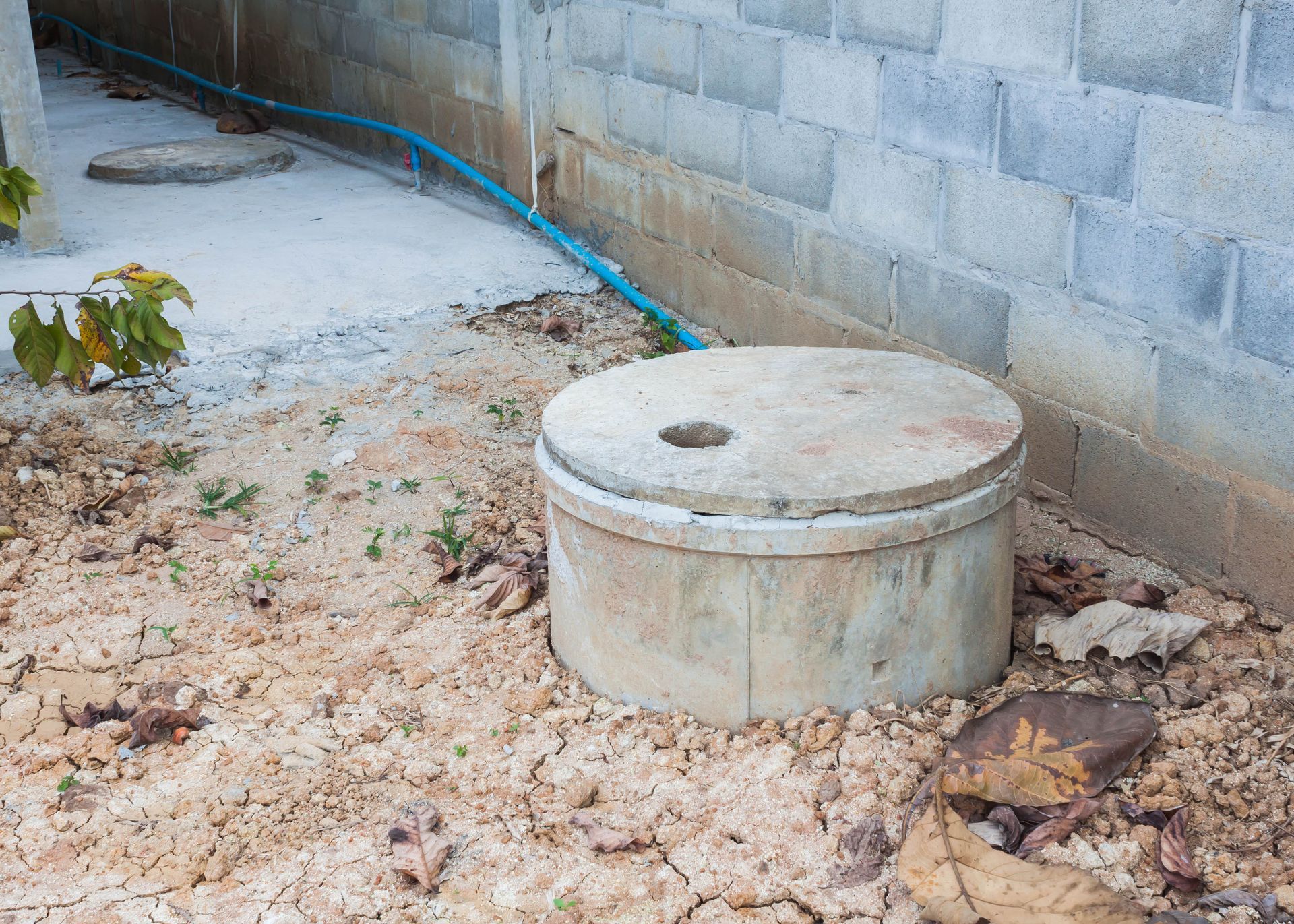
A cesspool is an underground pit lined with stone or concrete that collects wastewater from a property. Unlike septic systems, cesspools do not treat the waste, which means they require frequent monitoring and maintenance to prevent overflow. The primary function of a cesspool is to filter out solid waste while liquid effluent seeps through the surrounding ground. This filtration process, however, is not perfect, and over time, solids accumulate, necessitating pumping and cleaning by professionals. Homeowners should be familiar with the basic operation of their cesspool to understand the importance of regular maintenance.
How Cesspools Differ From Septic Systems
Septic systems are closed systems that treat wastewater through a combination of mechanical and biological processes, providing a cleaner, more environmentally friendly option. This contrasts significantly with the cesspool model, which is essentially a blind pit requiring more frequent attention and servicing. The debris layers in a cesspool can accumulate quickly, demanding regular inspection to prevent system failure. According to PennState Extension, both regulatory bodies and waste management professionals advise that the accumulated scum and sludge layers within a tank should never take up more than roughly 30% of its total capacity.
Components and Functionality of a Cesspool System
Functionally, a cesspool operates on the principle of passive filtration, relying on the surrounding soil for liquid dispersion. This passive system is highly dependent on the soil's absorption capacity and environmental conditions, such as rainfall and groundwater levels. The lack of active waste treatment means that cesspools can more easily fail, particularly in densely populated areas or where the soil absorption capacity is low. Regular monitoring and servicing of these components ensures they are functioning correctly and not posing environmental hazards. Understanding these components guides homeowners in effective maintenance strategies.
Operational challenges often arise from inflow and infiltration issues, where excess water or debris enters the system, potentially causing overflow or structural complications. Regular visual inspections can help gauge the cesspool's condition, identifying signs of swelling or poor filtration efficiency. Correct maintenance extends beyond just the main pit and includes keeping the inlet and surrounding areas clear of obstructions. By ensuring every component of the system is properly maintained, homeowners protect their cesspool from premature failure. Regular engagement with a qualified cesspool pumping company is recommended to tackle more complicated inspections and repairs.
Common Issues and Challenges With Cesspools
Cesspools often face several issues, primarily due to their basic design and reliance on surrounding soil for effluent management. Over time, solid waste can compact and reduce the cesspool's capacity, leading to overflows and unpleasant odors on the property. This can be exacerbated by poor maintenance or excessive water usage in the household. Additionally, cesspools are vulnerable to issues such as infiltration from rainwater or groundwater, which can overwhelm the system and reduce its effectiveness. Awareness of these common issues can aid homeowners in taking proactive measures to prevent them.
Another challenge with cesspools is their tendency to produce high levels of hydrogen sulfide gas, which can lead to corrosion of metal components and unpleasant odors around the property. This can become a significant nuisance and health concern if not managed properly. Regular inspections can help identify gas buildup and allow homeowners to take corrective steps. Implementing odor control strategies and ensuring adequate ventilation around the cesspool can minimize these challenges. Hiring an experienced cesspool pumping company to monitor and adjust maintenance procedures based on system performance is recommended for long-term management.
Signs Your Cesspool Needs Attention
Recognizing the signs of a failing cesspool can prevent costly repairs and environmental hazards. Common indicators include slow drainage, unpleasant odors, and wet or swampy areas around the cesspool location. Property owners should keep an eye out for these warning signs, as they often signal the need for immediate attention from a professional service. Ignoring these signs can lead to overflow, potentially contaminating local water sources and damaging property infrastructure. Regular inspections and prompt responses to these warning signals can save homeowners from significant trouble down the line.
Visible changes to the landscape or property, such as lush vegetation growth over the cesspool area, may indicate nutrient-rich effluent leakage. Such biological indicators can point to cesspool leaks and necessitate a closer examination. Maintenance oversight or incorrect usage patterns might exacerbate these concerns, demanding an immediate adjustment in maintenance routines. Ensuring that effluent does not uncomfortably alter the environmental balance helps maintain both property aesthetics and ecological integrity. Expert cesspool pumping company operators can help assess these indicators and apply corrective actions for optimized system function.
Number of Household Occupants
The number of occupants in a household significantly impacts the frequency of cesspool maintenance requirements. More occupants usually translate to higher waste production, filling the cesspool more quickly. As such, larger households may require more frequent pumping than smaller households to prevent overflow and other issues. Monitoring changes in household composition or usage and adapting maintenance schedules accordingly can prevent underestimations of the cesspool's demand. A proactive approach to service frequency aligned with these dynamic changes helps homeowners maintain the system without unforeseen interruptions.
A trusted cesspool pumping company should tailor maintenance recommendations based on the number of residents and their projected waste generation rates. Adjusting to the ebb and flow of household occupancy — such as seasonal visitors or long-term guests — informs the periodicity required for effective waste management. Service providers can factor in these variations in exceptional cases to provide recommended maintenance solutions.
Soil and Environmental Conditions
Soil and environmental conditions surrounding a cesspool notably determine its servicing frequency. Soil type affects how effectively effluent disperses after leaving the cesspool, influencing the system's capability to absorb wastewater. Sandy or gravelly soils tend to allow better infiltration, potentially prolonging the time between necessary services. Conversely, clay-heavy or compressed soils may necessitate more frequent pumping, as poorer drainage increases the rate of cesspool filling.
Environmental factors, such as regional climate conditions — notably rainfall or drought levels — can also dictate cesspool service intervals. Heavy rains can overwhelm cesspool systems, leading to seepage and overflow, while drought conditions may strain soil absorption capacity. These fluctuations necessitate more frequent system checks and maintenance adjustments by homeowners. Partnering with a local cesspool pumping company ensures that these local environmental variables are fully accounted for in your service plan.
Industry Guidelines for Cesspool Maintenance
Industry guidelines serve as critical baselines for cesspool maintenance service intervals. Factors such as cesspool size, system age, household occupancy, and geographical conditions guide these standardized recommendations. Industry best practices emphasize regular system evaluations to address potential fluctuations in capacity demands and ecological sensitivity.
Don't wait for a system backup to turn into a household emergency. If it is time for your routine service, or if you notice your drains slowing down, contact a premier cesspool pumping company to get the job done right. Reach out to Busch Bros Cesspool Sewer & Drain, Corp today to schedule your next comprehensive inspection and pumping service!