June 2, 2026
Maintaining a cesspool system is an essential task for homeowners who rely on this type of waste management system. Regular maintenance not only ensures the system's efficiency but also helps prevent costly repairs that can arise from neglect. By understanding the basics of cesspool maintenance, homeowners can save significant amounts of money over time and contribute to the longevity of their system. The financial benefits of maintaining your cesspool system are substantial, as repairs can be both timely and expensive. By adhering to recommended maintenance schedules and practices, homeowners can avoid these unexpected financial burdens.
Identify Core System Components
A cesspool system is is the underground pit, typically lined with concrete or brick, which collects and stores wastewater. Surrounding the pit is a leach field, which allows liquid waste to seep into the ground, thus preventing overflow. Understanding these components is crucial for effective maintenance and troubleshooting. Proper care of cesspool pumps ensures that the mechanical movement of fluids remains consistent throughout the year.
The cesspool itself serves as the primary storage for waste, making its integrity vital for the system's overall function. Regular inspections of the pit's lining help detect any signs of wear or damage that could lead to leaks or contamination. The leach field requires monitoring to ensure that it effectively disperses liquid waste without causing saturation or pollution. Homeowners should familiarize themselves with each component to maintain the system's efficiency and prevent potential failures. Properly maintaining these components not only extends the life of the cesspool system but also minimizes environmental impact.
Recognize Common Maintenance Issues
Cesspool systems are prone to several common issues that can compromise their functionality and safety. One of the most prevalent problems is clogging, which occurs when solids accumulate and restrict the flow of wastewater. Regular pumping and inspections help mitigate this issue by removing excess solids and ensuring smooth operation. Sometimes, failing cesspool pumps can lead to an unexpected rise in water levels that threatens to flood the lower levels of a home.
Another common issue is the deterioration of the pit's lining, which can result in leaks and contamination of surrounding soil and groundwater. Aging materials and exposure to chemicals can weaken the lining, necessitating timely repairs or replacements. Overloading the system with water or non-biodegradable materials can strain its capacity and lead to failures.
Prioritize Routine System Inspections
Regular inspections play a crucial role in maintaining the health and functionality of a cesspool system. These inspections allow homeowners to identify potential issues before they escalate into costly repairs or environmental hazards. During an inspection, professionals assess key components of the cesspool system, such as the pit, leach field, and vent pipe. They check for signs of damage, wear, or clogging and recommend any necessary repairs or maintenance. Reliable cesspool pumps are often tested during these visits to confirm they are moving liquids correctly.
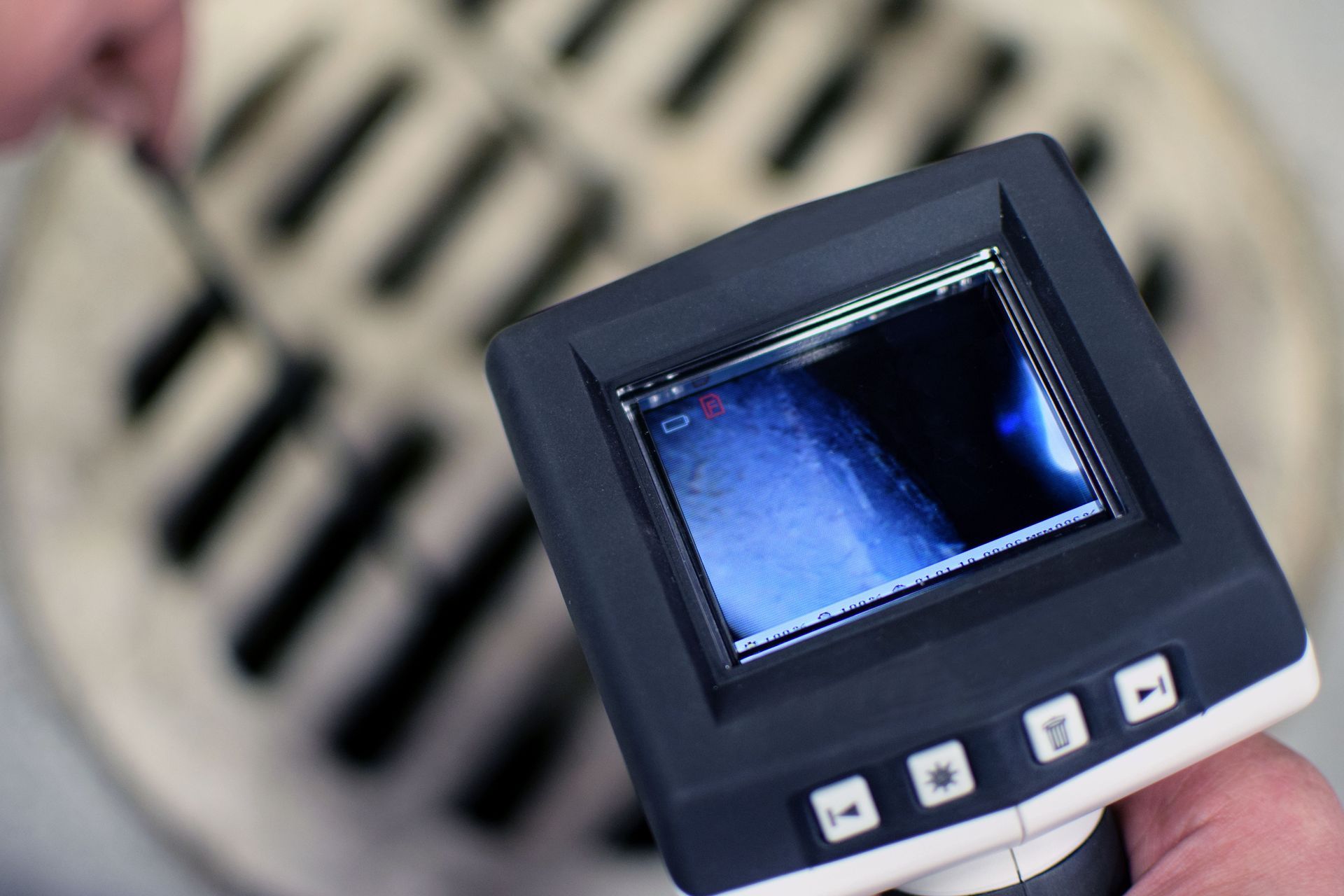
These routine assessments provide valuable insights into the system's overall health and help extend its lifespan. Regular inspections contribute to environmental protection by preventing leaks and contamination. By addressing potential issues promptly, homeowners can minimize the risk of groundwater pollution and comply with local regulations. Working with a qualified technician ensures that every part of the system is evaluated according to modern safety standards. These pros use specialized tools to see deep into the tank without requiring expensive excavation or disruption to your landscaping.
Execute Regular Tank Pumping
Generally, it is recommended to pump a cesspool every two to three years to remove accumulated solids and prevent overflow. According to Bob Vila, a cesspool with a capacity of 4,800 gallons is suitable for two users, highlighting the importance of considering system size when determining pumping frequency. Monitoring water usage and conducting regular inspections can help homeowners determine the optimal schedule for their specific cesspool system.
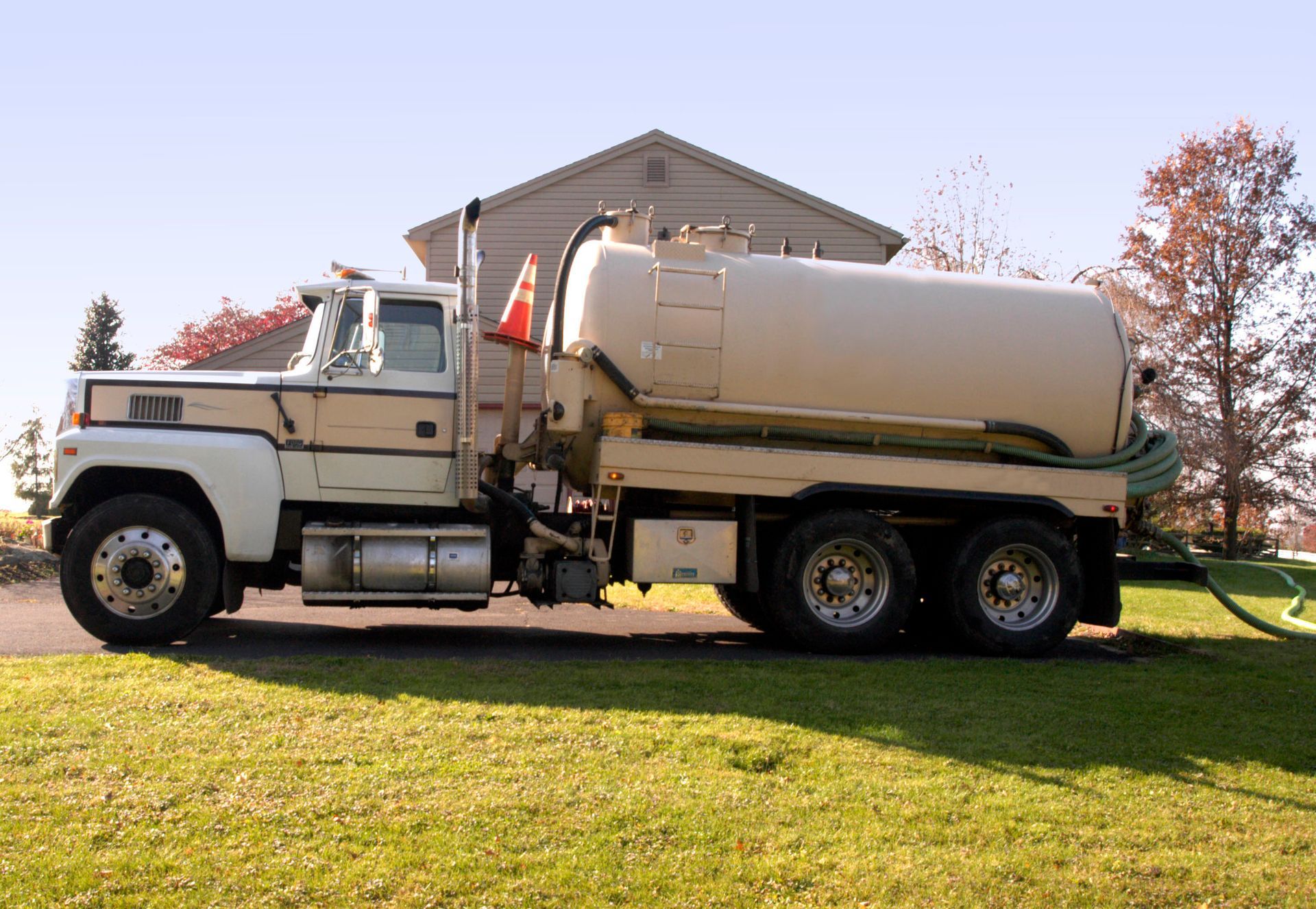
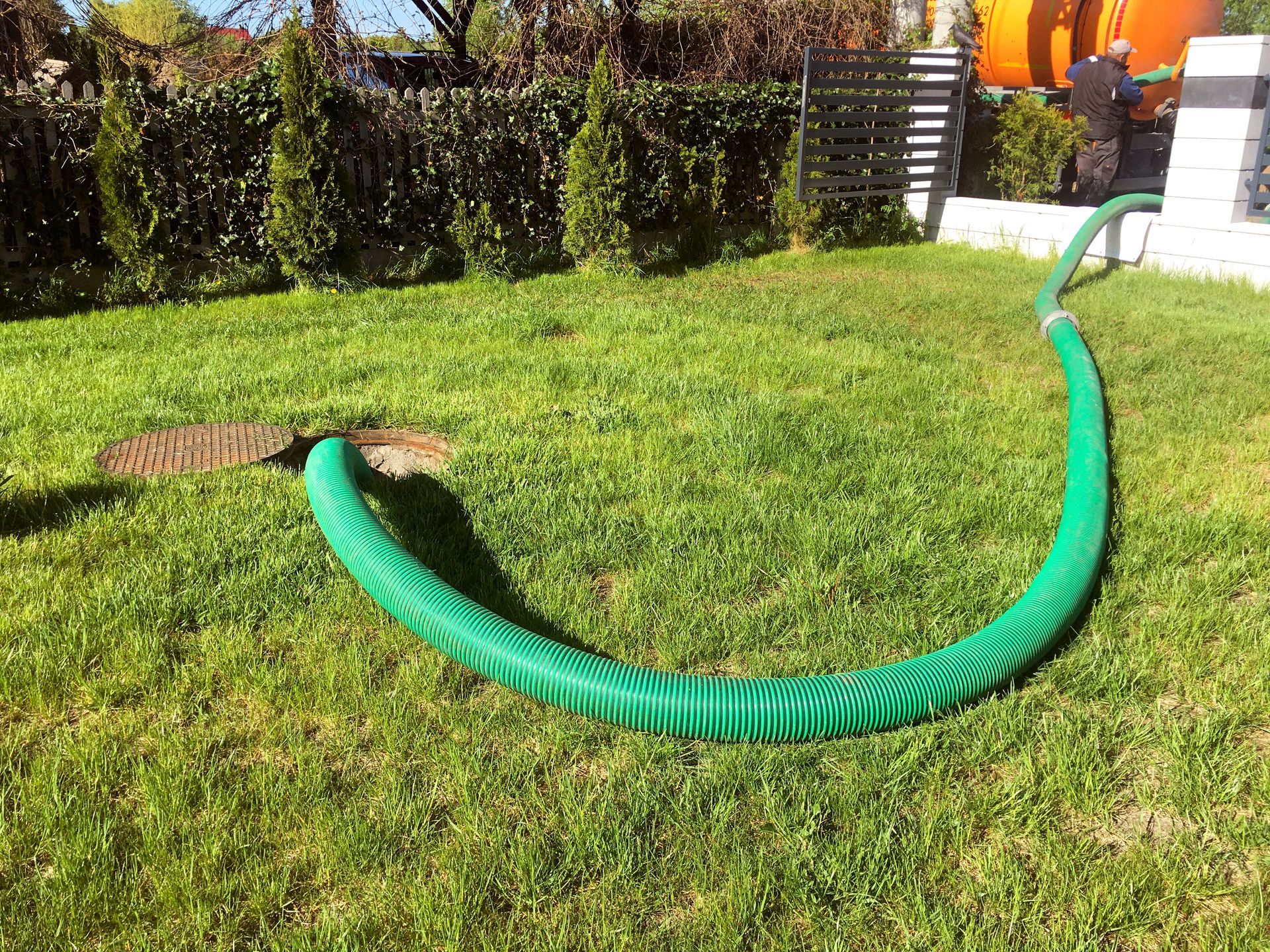
The first step is locating the cesspool access point, which may require excavation if it is buried underground. Once exposed, the access cover is removed to allow for the insertion of pumping equipment. The next step involves using a vacuum truck with industrial cesspool pumps to extract the waste from the cesspool. It is essential to hire a professional service for this task, as they have the necessary equipment and expertise to handle waste safely and effectively.
Maximize Professional Cleaning Benefits
Hiring professional cleaning services for cesspool maintenance offers several advantages that contribute to the system's longevity and efficiency. Professionals have the expertise and equipment to perform thorough cleanings, ensuring that all waste is removed and the system is functioning optimally. They often inspect the efficiency of auxiliary cesspool pumps to make sure the electrical components are not suffering from corrosion or moisture damage.
Early detection of these problems allows homeowners to address them before they escalate into costly repairs or environmental hazards. Professional services provide peace of mind, knowing that the cesspool is maintained according to industry standards and regulations. This reduces the risk of contamination and legal issues, emphasizing the benefits of hiring experts for cesspool maintenance.
Implement Better Disposal Standards
One important practice is avoiding the flushing of non-biodegradable items, such as wipes, diapers, and feminine hygiene products. These materials do not break down easily and can cause clogs and backups in the cesspool system. Homeowners should refrain from disposing of cooking oils, grease, and other fats down the drain. These substances can solidify and accumulate in the cesspool, leading to blockages and reduced efficiency. In some cases, grease can coat the sensors of cesspool pumps, causing them to malfunction or run continuously without moving any fluid.
The use of harsh chemicals can also have a detrimental impact on the health and functionality of a cesspool system. Many household cleaning products contain chemicals that can disrupt the natural bacterial balance in the cesspool, hindering the breakdown of waste. By adopting responsible waste disposal practices, homeowners can prevent common cesspool issues and ensure the system's longevity. Proper disposal of non-biodegradable waste is a crucial aspect of effective cesspool maintenance and environmental conservation.
Maintain Efficient Water Usage
One simple tip for conserving water is to fix leaky faucets and toilets, which can waste significant amounts of water over time. Homeowners should regularly inspect plumbing fixtures and repair any leaks promptly. Installing low-flow fixtures and appliances can also help conserve water and reduce the load on the cesspool system. Overworked cesspool pumps can fail prematurely if they are forced to process excessive amounts of gray water from laundry or long showers.
Overloading a cesspool with excessive water can lead to several serious issues that compromise the system's functionality and safety. When the cesspool is unable to accommodate incoming waste, it can result in backups and overflows, posing health and environmental risks. Regular inspections and maintenance can also help identify any issues related to water usage, allowing for timely interventions. Managing water usage is a critical aspect of maintaining a cesspool system and avoiding the high costs associated with emergency repairs.
Maintaining a cesspool system is a vital responsibility for homeowners that requires a proactive and informed approach. When cesspool pumps are kept in good working order, they can handle normal fluctuations in usage without putting the property at risk. Small changes in daily habits, such as using less water or avoiding harsh chemicals, significantly reduce the strain on your system. A well-maintained cesspool operates silently and efficiently for many years, protecting your property value and the local environment. Contact Busch Bros Cesspool Sewer & Drain Corp for all your inspection and cleaning needs so we can help you keep your home safe and functional.