March 25, 2026
A clogged drain line is a common household issue that can lead to serious plumbing problems if left unaddressed. Identifying the early warning signs can help you take action before a minor clog becomes a major headache. Many homeowners make the mistake of assuming a slow drain is simply a quirk of an older house or a minor inconvenience that will resolve itself. In reality, these small obstructions are often the "canary in the coal mine" for your entire plumbing infrastructure.
Over time, the pressure from trapped debris and standing water can weaken pipe joints, lead to corrosive buildup, and eventually cause catastrophic leaks that are expensive to repair. By staying vigilant and recognizing the subtle shifts in how your fixtures perform, you can transition from reactive repairs to proactive care, ensuring your home remains a sanctuary rather than a construction zone.
1. Slow-Draining Sinks
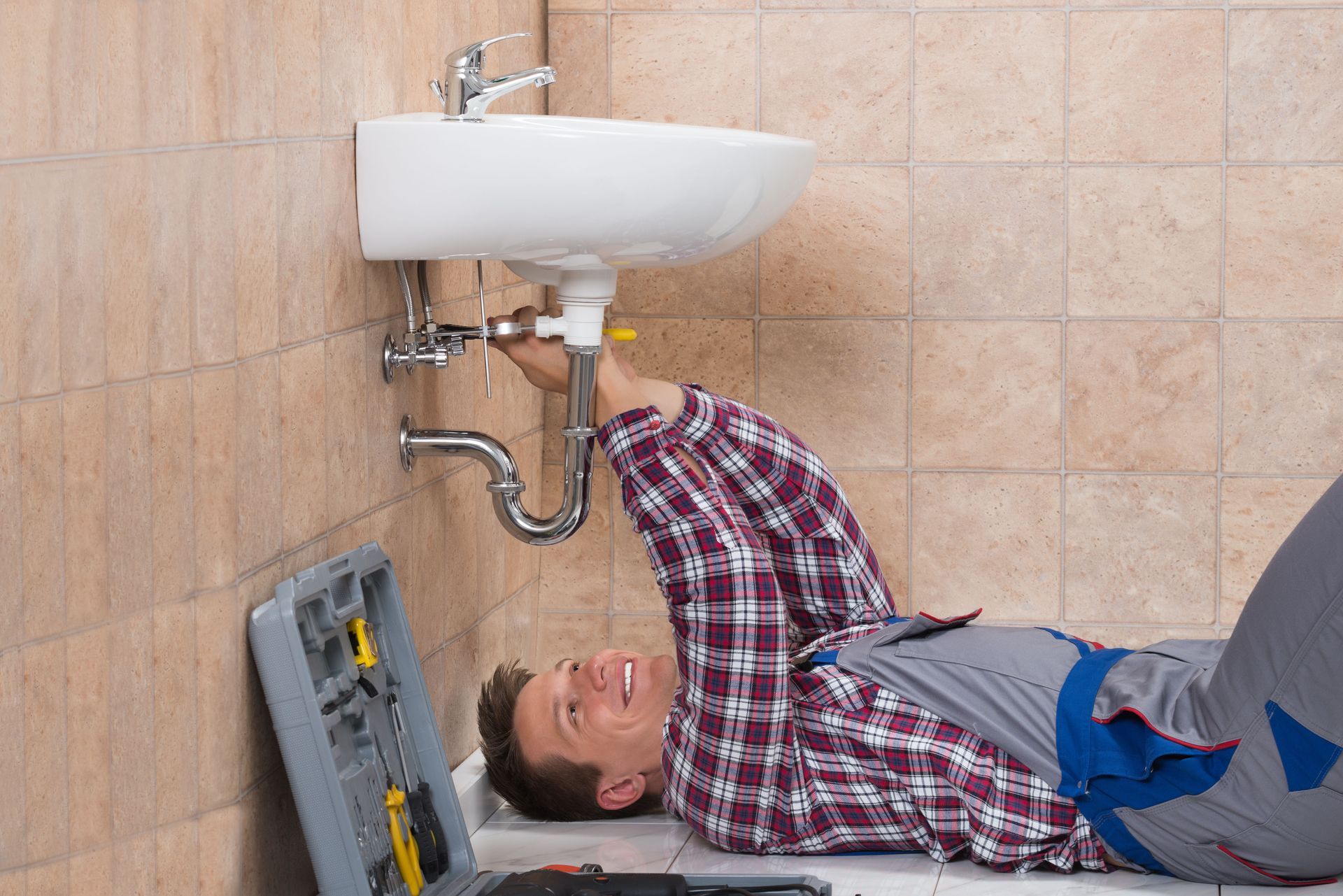
One of the most noticeable signs of a clogged drain line is a slow-draining sink. When you use your sink, water should flow smoothly down the drain without hesitation. If you find yourself watching as water pools around your hands or dishes, it could indicate a clog. This phenomenon is caused by obstructions within the drain pipe, often due to accumulation of debris. Kitchen sinks are particularly susceptible due to food particles, while bathroom sinks often fall victim to hair and soap scum.
Comparing the drainage speed of your sinks throughout the house can provide valuable insights. If multiple sinks are slow to drain, the issue may be more systemic, impacting your entire plumbing network. However, if it's isolated to one sink, the problem might be local to that particular drain line. This distinction is crucial as it guides your approach to resolving the issue. In cases of widespread slow drainage, professional plumbing evaluation might be warranted.
When sinks are slow to drain, residue begins to accumulate quickly. This residue can range from leftover food particles and soap scum in kitchen sinks to hair and personal care products in the bathroom. Not only does this accumulation exacerbate the clogging issue, but it also fosters the growth of bacteria, leading to unpleasant odors. Regular cleaning can mitigate this, but attention must be paid to what goes down the drain. Preventive measures include using sink strainers and being mindful of disposal habits.
2. Persistent Foul Odors
Persistent foul odors emanating from your drains can be a key indicator of a clog. These smells are typically a result of organic material trapped within the pipes, decomposing and releasing gas. It's important to trace these odors to the source, checking both kitchen and bathroom areas. If detected early, these issues can often be resolved with simple DIY solutions. However, persistent odors may require a more thorough approach, potentially involving professional intervention.
Regular sewer gas can occasionally seep into your home but is distinctly different from the smells caused by clogs. The latter tends to be more localized to specific drains and becomes prominent with use. Understanding these differences can help diagnose whether you’re facing a mere clogged drain line or a broader plumbing issue. Homeowners should also be aware that according to the CDC, lead enters drinking water primarily through the corrosion of service lines and plumbing, which includes an estimated 9.2 million lead service lines still in use across the U.S. today. These differences help determine the scale and immediacy of the problem.
Kitchens and bathrooms are most commonly affected by foul odors due to their frequent use and the variety of materials that go down their drains. In kitchens, remnants of food and grease can become trapped, while in bathrooms, hair and personal care products often contribute to clogs. The odor is usually a combination of decomposition and the chemical reactions within the pipes. A temporary fix might involve cleaning agents, but these don't address the root cause. Persisting smells require a comprehensive cleaning of the pipes themselves.
3. Water Backups and Overflow
One clear sign of a clogged drain line is water pooling around the drain area. This occurrence happens when water flow is obstructed, causing it to back up instead of draining away. Such pooling can be visibly alarming, indicating that the water is meeting resistance. Over time, continuous, unchecked pooling can lead to water damage and other plumbing issues. Observing this, especially in multiple areas, suggests the clog may not be isolated and requires immediate attention.
Water backups that affect multiple drains in the house suggest a major plumbing malfunction. This could indicate that a clog isn't within the pipes of individual fixtures but rather in the main sewer line. Main sewer line clogs can severely disrupt the entire plumbing system, necessitating professional plumbing intervention. Addressing such issues quickly is vital to prevent further residence-wide plumbing problems. In this case, localized DIY solutions would prove ineffective.
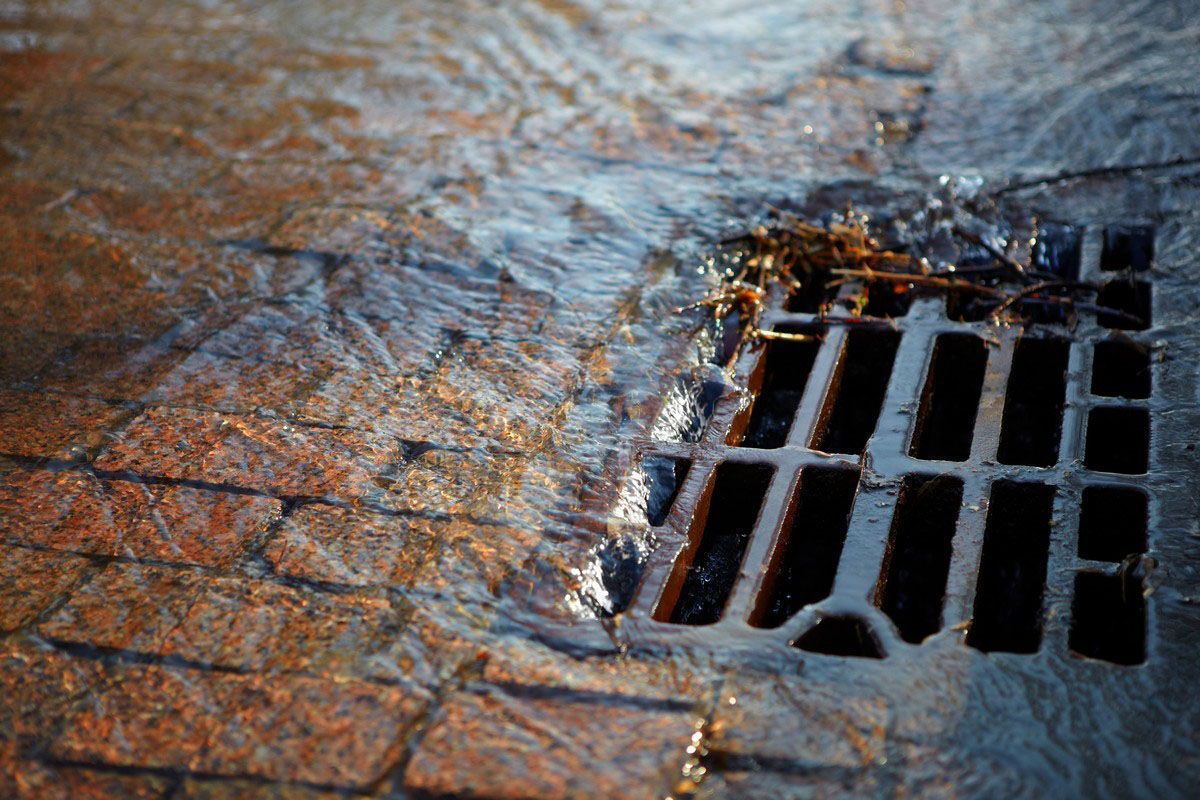
It's important to consider external factors that could impact your home's drainage system. Heavy rainfall or extensive water usage, for instance, can exacerbate existing clogs and contribute to backups. During such times, the sewer system may become overwhelmed or the soil around plumbing lines may shift, leading to disruptions. Additionally, homes with older plumbing systems may experience corrosion, increasing the risk of leaks and clogs. Monitoring these factors helps in diagnosing and combating clogs effectively.
4. Unusual Sounds from Drains
Unusual sounds from your drains are often the earliest indicators of a clogged drain line. Sounds such as gurgling, bubbling, or hissing can occur as air pockets form within the pipes due to blockages. These noises are usually heard when water is running, signaling that something is disrupting the typical flow of water. Attentive listening can help locate the source of the problem. Often, this is a sign that water is struggling to bypass the obstruction, requiring intervention.
Every sound from your plumbing system has a cause that can help identify plumbing issues. Gurgling sounds, for instance, are generally caused by trapped air in the pipes due to partial clogs. Bubbling noises might indicate water struggling to navigate around the debris or a blockage in the venting system. These sounds worsen over time if the clog isn't removed, potentially leading to full obstructions. Understanding these nuances aids in addressing plumbing problems more accurately.
The intensity and frequency of sounds emanating from your drains can provide clues about the severity of the obstruction. More frequent and louder noises typically signal a more significant blockage. As the blockage worsens, these sounds may become constant, especially during heavy water use. Paying attention to these changes can help identify if the problem is escalating and requires more immediate intervention. Regular monitoring and maintenance can mitigate the risk of severe clogs.
Recognizing the warning signs of a clogged drain line early can save you from costly repairs and water damage. Ensuring timely intervention protects your home's plumbing system and maintains your comfort. If you notice one or more of these warning signs, consider taking action and consulting with a professional before the situation worsens.
Investing a small amount of time today in clearing a line or installing a simple mesh strainer can add years to the lifespan of your pipes. Furthermore, maintaining clear drains prevents the growth of mold and mildew, contributing to a healthier living environment for your family. Don’t wait for a total system failure to value your home's drainage. For reliable maintenance and expert drain clearing, contact the professionals at Busch Bros Cesspool Sewer & Drain, Corp today to ensure your system stays in peak condition.