March 18, 2026
Proper maintenance of your septic system is crucial for maintaining a healthy household and protecting your property investment. Homeowners frequently face challenges with septic tank issues such as overflows, blockages, and unpleasant odors that signify underlying problems that need immediate attention. The solutions provided here aren't just quick fixes but are based on sustainable practices that guarantee long-term functionality and reliability. They include regular inspections, responsible water usage, and timely septic tank pumping. By implementing these practices, you ensure a more efficient septic plumbing system, reduce the likelihood of failures, and protect the environment.
1. Regular Pumping and Its Benefits
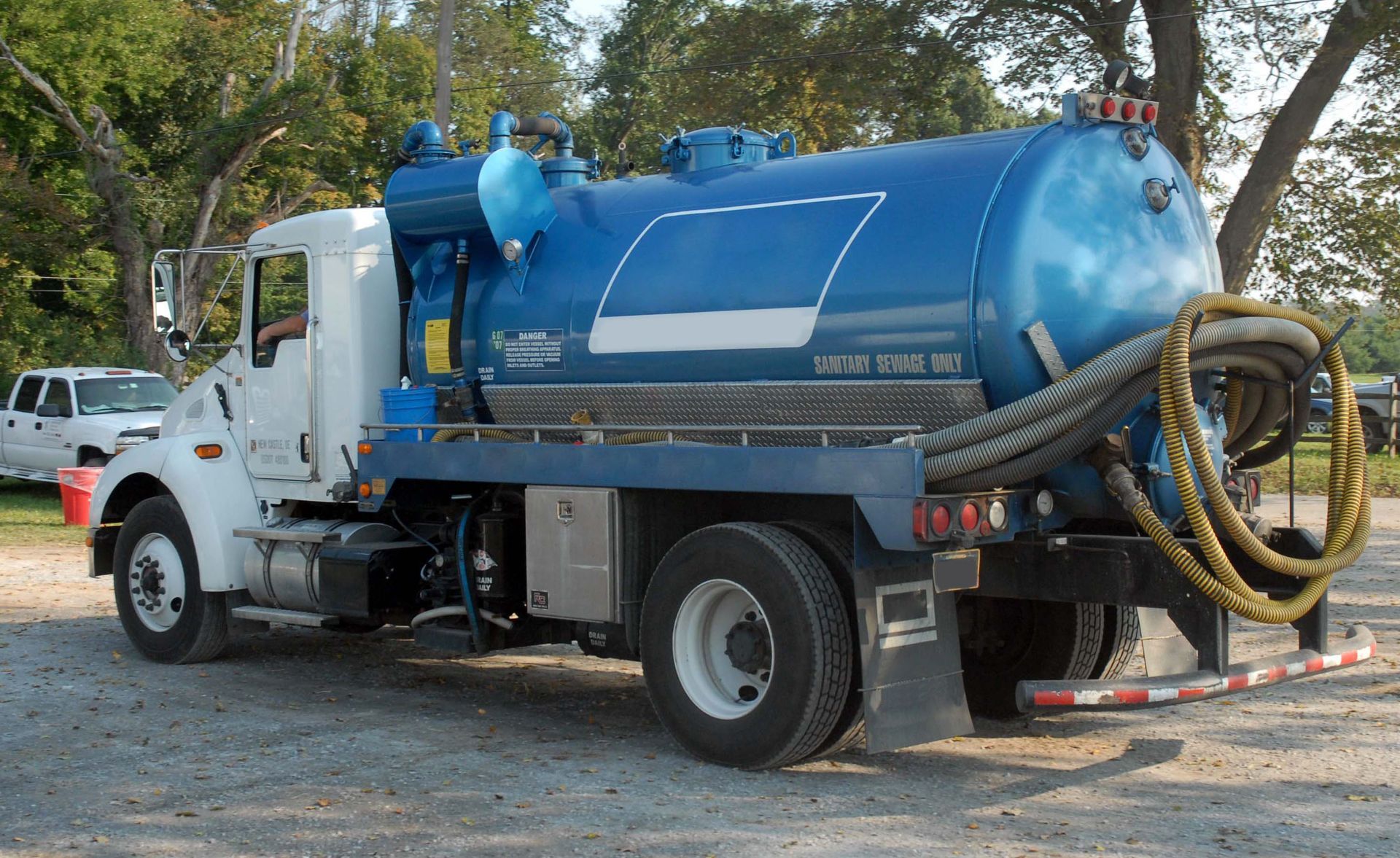
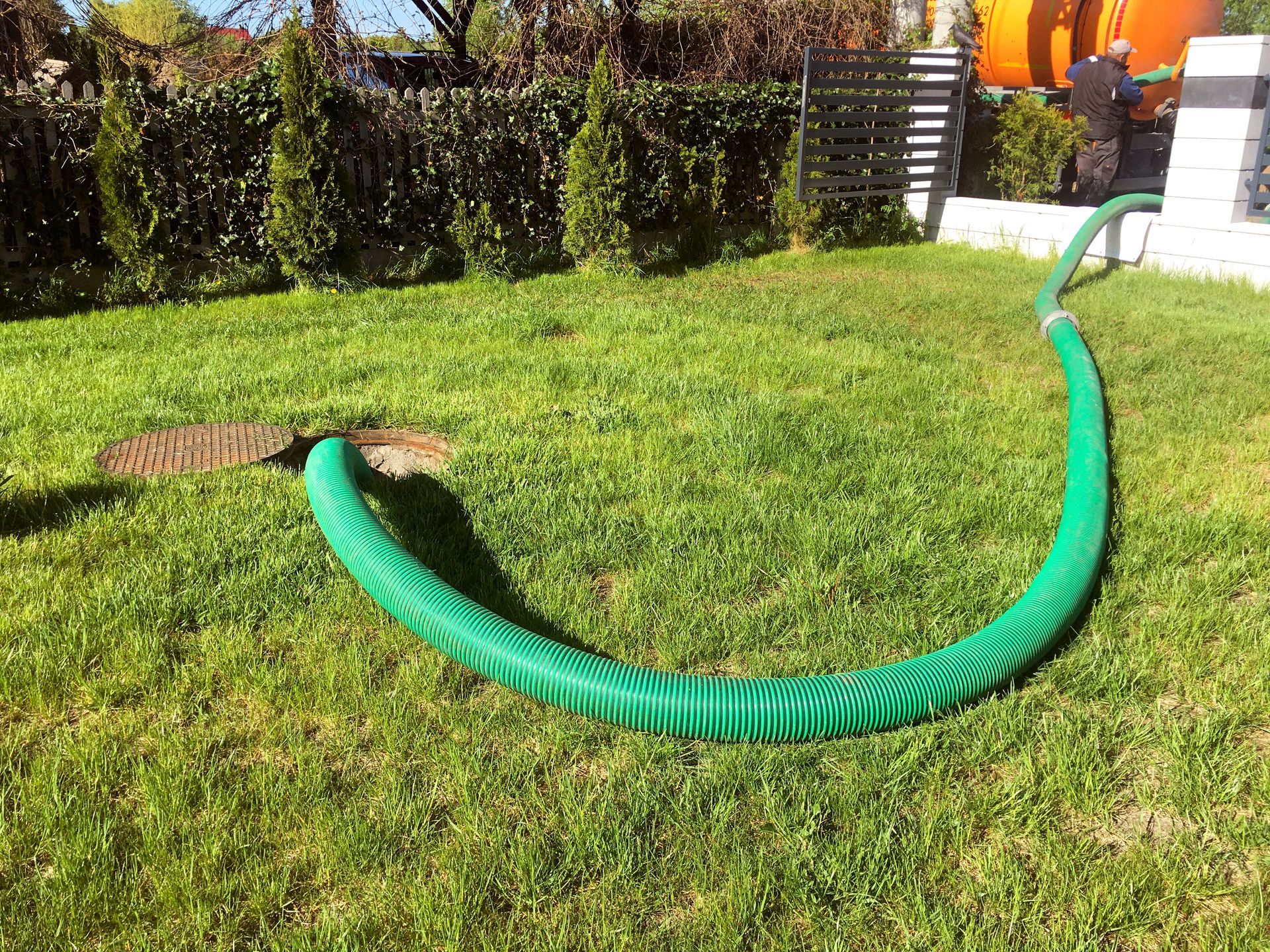
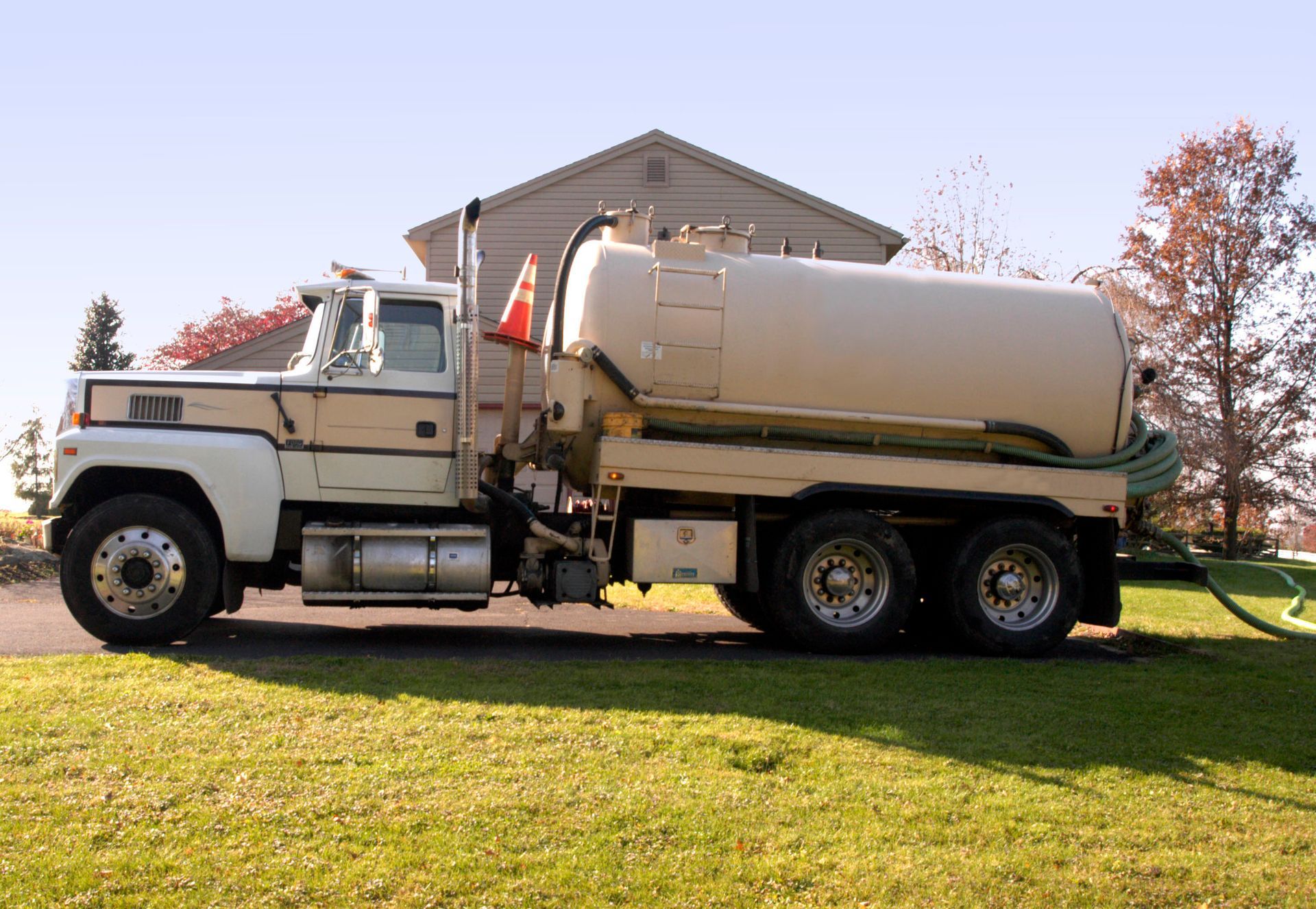
The frequency of septic tank pumping largely depends on the size of your tank and the number of people living in your household. According to This Old House, typical home septic tanks hold between 750 and 1,500 gallons, which typically require pumping every three to five years to prevent overflow and system failure. Smaller tanks or larger households may require more frequent pumping. Regular maintenance ensures that sludge and solid waste do not accumulate to levels that hinder tank and drain field function. By adhering to these guidelines, homeowners not only maintain system efficiency but also extend the lifespan of their septic plumbing system.
Several signs can indicate that your septic tank needs to be pumped, including sewage backup into the house, slow-draining sinks, bathtubs, or toilets, and unpleasant odors from drains or around the tank area. The presence of these symptoms suggests that the tank is exceeding its capacity and requires immediate attention. Addressing these signs promptly through professional septic pumping can prevent further damage to the drain field and reduce potential health risks. It's advisable to maintain an emergency contact with septic service experts to handle such occurrences swiftly and efficiently.
Consistent septic tank pumping offers numerous benefits, including preventing unpleasant sewage backups, ensuring the proper function of the system, and enhancing its longevity. By maintaining a regular pumping schedule, homeowners can save money on unnecessary repairs and avoid potential damage to the drain field. Additionally, regular pumping reduces the risk of groundwater contamination, which is a critical environmental concern. Increased environmental awareness among homeowners is leading to more responsible septic management practices.
2. Identifying Drain Field Problems
Drain fields form an integral component of the septic system, responsible for dispersing and treating effluent. Common indicators of drain field problems include slow drainage, soggy patches in the yard, strange odors, and persistent plumbing backups. These issues often indicate that the drain field is overloaded or compromised. Recognizing these signs early and seeking professional evaluation can prevent further complications and costly repairs. A properly functioning drain field is essential for optimal system performance and environmental protection.
One of the most effective ways to prevent drain field saturation is to manage water use diligently. Reducing the amount of water flowing into the septic system helps avoid overloading the drain field, which can lead to saturation. Simple practices such as fixing leaks, installing water-efficient appliances, and spacing out water usage during the day can significantly alleviate the demand on your septic system. Regular checks on the soil condition above the drain field can also help maintain its absorption efficiency. Implementing these strategies will help ensure the long-term health of your septic plumbing system.
When facing drain field failures, homeowners have several solutions to consider, from soil aeration to complete reconstruction. In many cases, installing an aerobic treatment system can effectively rejuvenate the drain field by enhancing the decomposition of waste. Alternatively, repairing broken pipes or redirecting runoff water away from the drain field can alleviate symptoms of failure. Consulting with septic professionals is crucial to determine the most appropriate solution based on the specific nature and extent of the problem.
3. Using Biological Additives
Biological additives have gained popularity as a method to enhance septic system efficiency. These products contain beneficial bacteria or enzymes that aid in breaking down organic waste faster, helping to maintain a balanced microbial environment within the septic tank. When used correctly, they can reduce odors and promote effluent quality, enhancing both tank and drain field performance. However, not all biological additives are created equal, and selecting the right product for your system is crucial. Using these additives can be part of a comprehensive maintenance plan for your septic system.
The effectiveness of biological additives lies in their ability to boost the natural bacterial processes occurring in the septic tank. These products introduce or enhance microbial populations that metabolize organic solids into gases and liquids efficiently. Scientific studies indicate that well-maintained microbial activity can prevent sludge buildup, preserving the septic tank's capacity and ensuring wastewater leaves the tank correctly processed. While promising, scientific consensus advises using additives as a complement, rather than a replacement for traditional maintenance practices like regular pumping.
Applying biological additives in your septic plumbing system is a simple process, often involving pouring the additive directly into the toilet and flushing with water. The flushing action facilitates dispersal of the additive into the septic tank. Manufacturers typically recommend monthly usage, but usage instructions should be closely followed for optimal results. It's essential to ensure that chosen additives are environmentally safe and approved by relevant local authorities to minimize adverse effects. Regular monitoring of tank and drain field performance after application will help assess the product's effectiveness in each context.
4. Effective Water Management Strategies
Effective water management is vital to maintaining a well-functioning septic system, as excessive water use can strain the system and lead to failures. Homeowners can reduce household water usage by adopting several strategies, such as installing low-flow faucets, showerheads, and toilets, and avoiding overuse of appliances like washing machines and dishwashers. Educating family members about water conservation plays a significant role in changing consumption habits. A reduction in water usage helps prevent overloading the septic tank and extends the life of both the tank and the drain field.
Implementing water-saving fixtures and appliances is a straightforward strategy to reduce water usage and protect the septic system from potential overload. Modern low-flow fixtures and ENERGY STAR-rated appliances are designed to perform efficiently with minimal water, leading to reduced operational stress on the septic plumbing system. These installations can result in significant water savings, enhancing the overall operational efficiency of your home. Consistently integrating water-efficient technology aligns with eco-friendly practices and results in long-term cost savings on utility bills. Such improvements are investments in both home quality and environmental sustainability.
Leaks within household plumbing systems can tremendously impact septic system performance, leading to unnecessary loading and potential system failure. Quick identification and repair of leaks in faucets, toilets, and pipes are essential to maintain optimal water usage and system efficiency. Periodic checks on all plumbing fixtures and timely repairs help in mitigating unintended water waste. Monitoring water bills and conducting regular household inspections are proactive measures to catch leaks early. Effective leak management plays a crucial role in preserving the operational capacity and health of your septic system.
Taking a proactive approach to septic plumbing system care by combining various methods and technologies is essential for ensuring long-term functionality. As challenges arise, utilizing available resources such as professional services and technological advancements can mitigate risks and preserve your home's infrastructure. Regular maintenance, coupled with an emphasis on efficient water management, guarantees a reliable septic system that performs optimally for years to come. Protect your home and ensure your septic system operates at peak efficiency by scheduling professional service with Busch Bros Cesspool Sewer & Drain, Corp today.