November 16, 2026
Understanding residential plumbing requires a comprehensive view of how wastewater moves through a home. Fixtures, branch pipes, and underground structures connect to form a cohesive network dedicated to sanitation and safety. When a component of this infrastructure encounters trouble, the surrounding elements absorb the strain. Homeowners often treat interior pipes and exterior waste pits as separate concerns, but their operation remains directly linked. Recognizing how indoor plumbing interacts with underground storage is the essential first step toward preventing severe household disruptions.
The connection between clogged drain lines and full cesspools represents a critical relationship in domestic wastewater management. When waste cannot exit a dwelling with ease, pressure mounts across the entire plumbing network. Restricted pipes compromise outdoor containment, while a saturated outdoor tank prevents indoor pipes from emptying. Addressing these concerns early protects structural foundations, preserves sanitary living conditions, and keeps daily routines running without unexpected interruptions.
Understand Pipes and Networks
Drain lines serve as the vital conduits of residential plumbing design, carrying graywater and blackwater away from sinks, showers, and toilets. Modern installations rely on durable piping materials like polyvinyl chloride to maintain sanitary transport throughout the property. These conduits depend on steady gravity and proper slope to direct liquids and suspended waste toward the main outgoing line. When these interior channels remain clear, waste journeys outward without delay, preserving indoor air quality and household hygiene.
A disruption within these primary channels creates an immediate obstacle for the wider disposal system. Because household fixtures funnel into shared collection pipes, a restriction in a single branch can disrupt fixtures across multiple rooms. Unimpeded water movement allows waste to travel at an even pace into exterior disposal units. When flow slows down, sediment begins to drop out of suspension, settling along the bottom of the piping. Preventing clogged drain lines ensures that wastewater reaches its destination without placing undue stress on secondary containment structures.
Identify Blockages and Culprits
Obstructions develop inside pipes through the steady accumulation of household materials that should never enter the plumbing. In kitchen areas, cooking grease and fats rinse down sinks as warm liquids before cooling into thick deposits along pipe walls. In bathrooms, soap scum binds with loose hair to create dense mats that catch passing debris. Flushing non-degradable items, such as moist towelettes and feminine hygiene products, introduces foreign fibers that do not dissolve in water. These improper disposal habits create clogged drain lines that starve outdoor waste systems of regular, balanced flow.
Subsurface forces also contribute to severe pipe obstructions outside the foundation walls. Tree roots seek out moisture and nutrients, entering microscopic joints in underground pipes and expanding into thick root balls that snare paper and solids. Shifting soil can cause older pipes to lose their downward pitch, allowing pools of standing water to collect inside the line. In cold weather, fats and grease solidify quickly, turning minor wall coatings into severe blockages. Corroded iron or aging pipes gather mineral scale that catches debris and accelerates internal blockage.
Recognize Symptoms and Warnings
Recognizing the early symptoms of drainage distress allows homeowners to intervene before minor restrictions become catastrophic emergencies. The most common warning involves sluggish drainage in sinks, bathtubs, or laundry basins, where water pools for extended periods before vanishing. Strange gurgling sounds emerging from toilet bowls or sink traps indicate that displaced air is struggling to vent past trapped blockages. Persistent gurgling and slow flow serve as early indicators of clogged drain lines, showing that water cannot pass freely through plumbing runs.
External property indicators provide clear evidence of severe subterranean distress. Patches of unusually vibrant grass or spongy turf above buried piping indicate that wastewater is leaking into topsoil rather than reaching containment. When indoor fixtures back up at the same time during laundry cycles or dishwashing, the restriction sits deep within the main piping system. Ignoring these persistent warning signs leads to severe backups where contaminated water overflows from shower basins and floor fixtures. Observing these initial clues protects living spaces from hazardous exposure and structural moisture damage.
Examine Cesspools and Soils
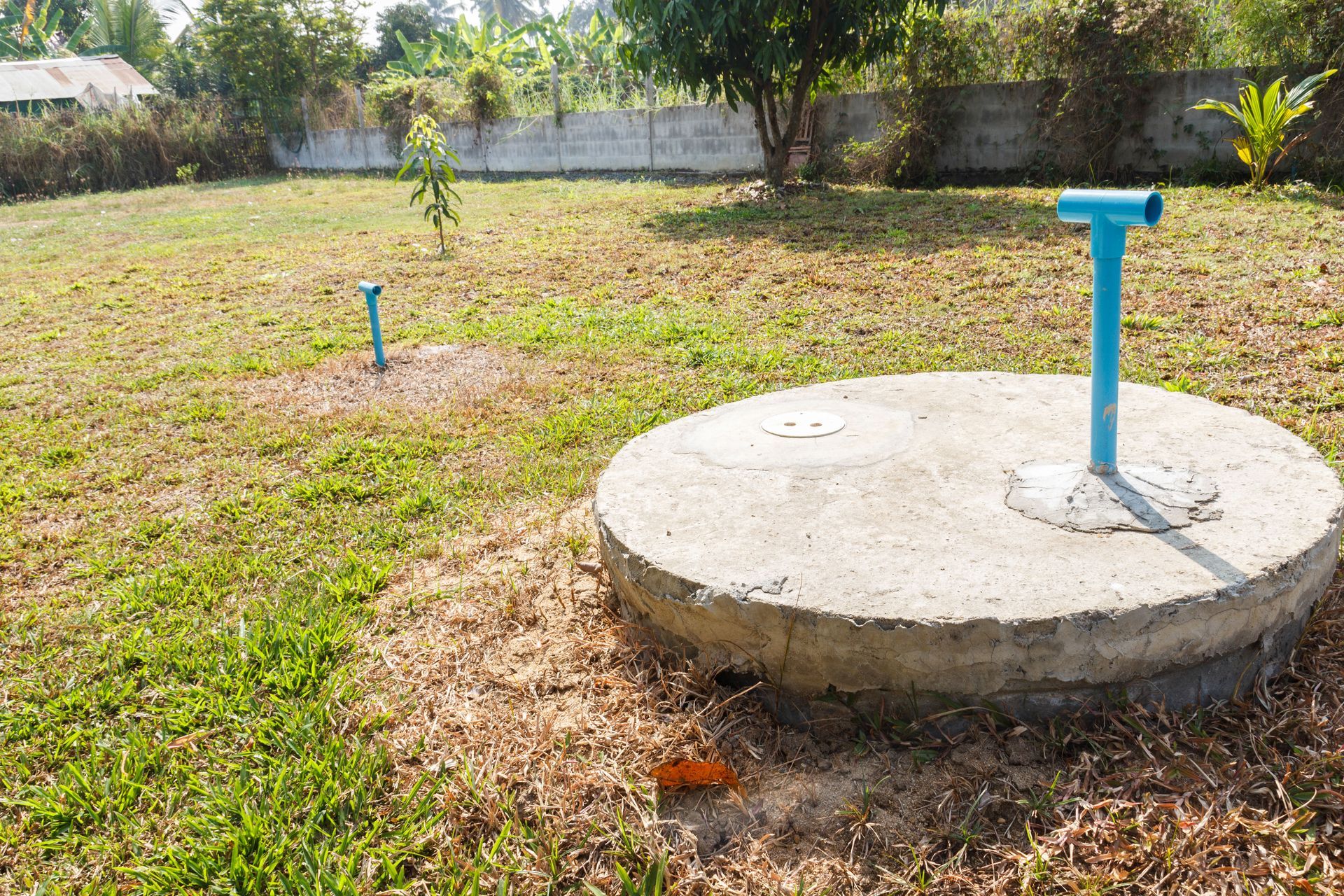
A residential cesspool is an underground containment structure designed to collect raw sewage from domestic plumbing. Constructed with perforated concrete rings or open-joint masonry, the cesspool allows liquid effluent to filter through the surrounding soil while trapping solid waste inside. Heavy solids sink to the base to form sludge, while lighter grease and soap scum float to the surface to form a scum blanket. The natural biological breakdown of sewage depends on adequate soil permeability, allowing filtered water to disperse safely into ground layers.
System capacity must correspond to household size to prevent the surrounding ground from becoming saturated with waste. According to Bob Vila, a cesspool built with a capacity of 4,800 gallons provides adequate accommodations for two occupants. When a home exceeds design limits or when soil pores clog with fine particulate matter, the drainage pit fills rapidly and loses absorption capability. Saturated ground cannot accept additional moisture, causing effluent to stall throughout the system and worsening clogged drain lines inside the house.
Evaluate Backflows and Stresses
The relationship between indoor pipes and outdoor disposal units creates a cyclical hazard when blockages occur. Severe restrictions inside clogged drain lines restrict normal hydraulic movement, causing wastewater to stall within building foundations. When a cesspool reaches full capacity, outward flow halts entirely, creating backward pressure that forces sewage back toward low-lying indoor fixtures. This condition causes untreated wastewater to escape into basements, utility rooms, and shower pans, creating urgent biological hazards.
Prolonged backflow conditions place immense physical strain on pipe joints, seals, and containment walls. Trapped water generates hydraulic tension that can separate pipe fittings or crack weakened sections of underground lines. Stagnant sewage inside building walls emits hazardous methane and sulfur gases that degrade indoor air quality. When outdoor tanks overflow, effluent saturates the surrounding ground, weakening the soil matrix that supports adjacent piping. Resolving these overlapping pressures requires addressing both pipe obstructions and containment volume together.
Schedule Cleanings and Inspections
Preserving plumbing health requires consistent preventive maintenance delivered by trained technicians. Video camera inspections provide direct visual assessments of interior pipe conditions, locating tree roots, scale deposits, and physical breaks without digging up lawns. Professional hydro jetting utilizes high-pressure water streams to scour away stubborn grease deposits, soap residue, and mineral scale, restoring pipes to original capacity. Clearing clogged drain lines through routine cleaning removes the friction that slows waste transfer and prevents premature containment stress.
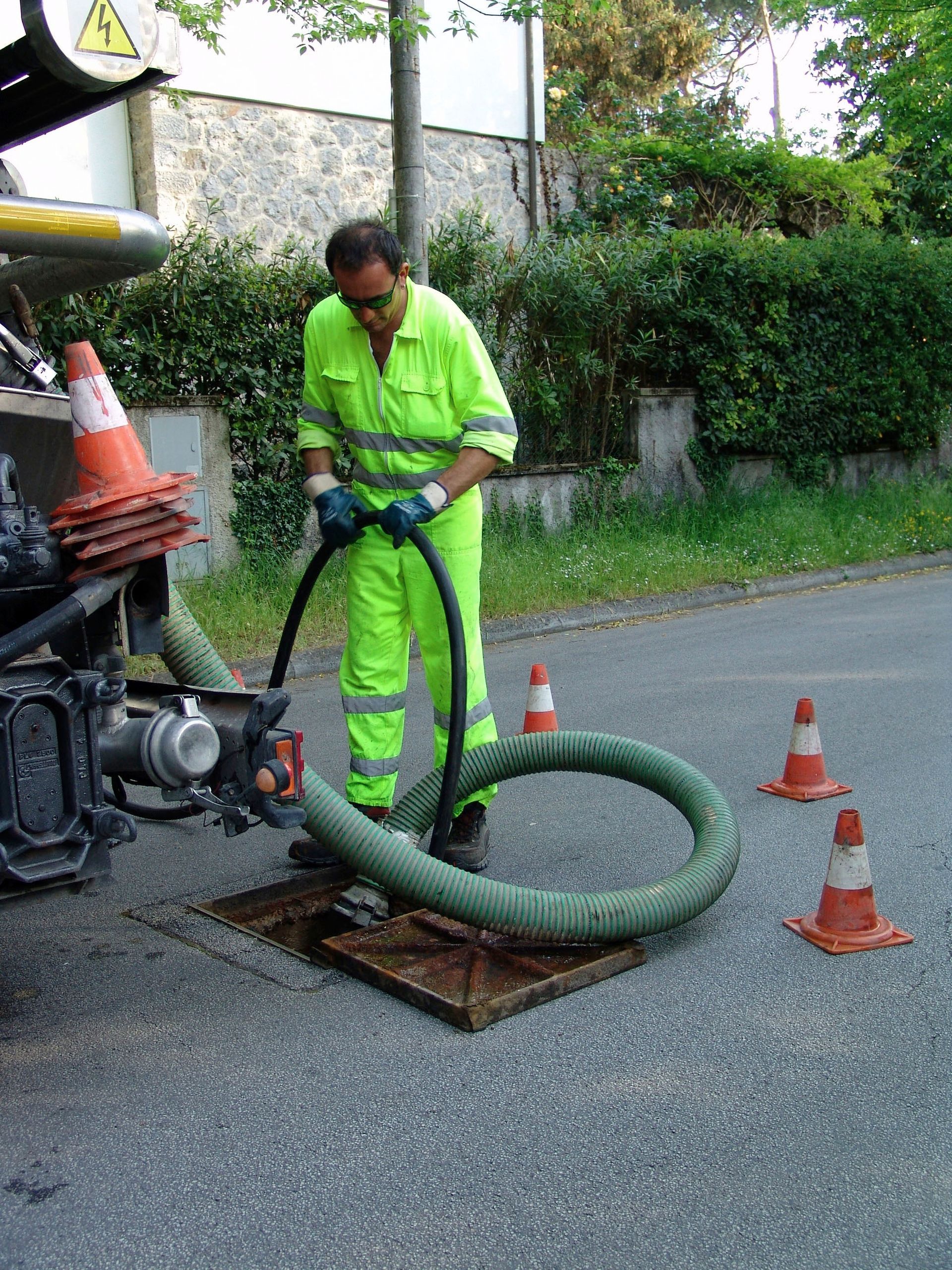
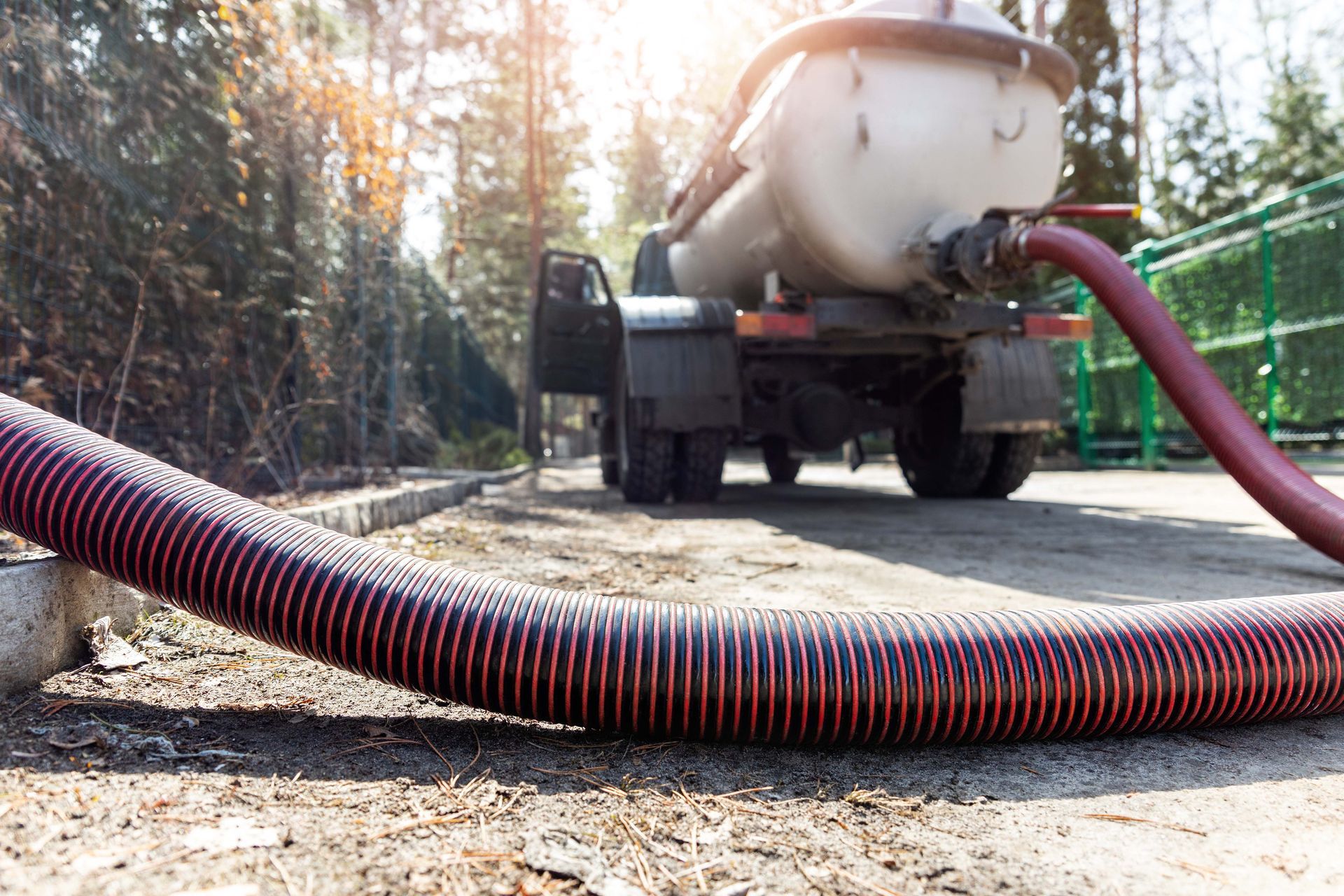
Maintaining outdoor containment systems requires periodic cesspool pumping and aeration services. Pumping removes accumulated bottom sludge and surface scum blankets, preventing solids from blinding the porous soil around perforated walls. Aeration agitates compacted bottom sediment, reopening blocked soil pathways to restore natural drainage. Vacuum truck services clear heavy buildup efficiently, ensuring that the entire wastewater infrastructure operates without delay. Routine maintenance safeguards property grounds, prevents foul odors, and ensures dependable disposal over time.
Sustaining a safe and functional home requires understanding the vital connection between indoor piping and outdoor containment systems. Neglecting early warning signs allows minor blockages to compound into full system failures that threaten property and health. Overlooking clogged drain lines places excessive strain on subsurface cesspools, while a saturated tank forces sewage backward into living spaces. Proactive maintenance, thorough camera inspections, and timely cesspool pumping keep household plumbing flowing freely without unexpected disruptions.
Protecting wastewater infrastructure requires experienced technicians who understand the delicate balance between interior lines and exterior tanks. At Busch Bros Cesspool Sewer & Drain, Corp, we invite you to contact us today to schedule your system evaluation and maintain clean, reliable plumbing.