May 11, 2026
Maintaining a septic system is essential for protecting your home, your property, and the surrounding environment, as proper care helps prevent costly repairs, unpleasant backups, and potential health hazards that can arise when waste management systems are neglected. One of the most important maintenance tasks every homeowner should understand is septic pumping, which removes accumulated solids and ensures the system continues operating efficiently without strain or premature failure. Using a consistent checklist makes it easier to stay on track with inspections, water usage habits, and scheduled service, helping homeowners avoid emergencies and extend the lifespan of their septic system.
Understanding Septic System Function and Basic Care
A septic system is a self-contained wastewater treatment setup commonly used in homes that are not connected to municipal sewer lines. It works by collecting wastewater from sinks, toilets, and appliances into a septic tank, where solids settle at the bottom, oils float to the top, and liquid effluent flows into a drain field for natural filtration. When properly maintained, the system operates quietly and efficiently for many years, but neglect can lead to backups, contamination, and expensive repairs.
Basic care involves understanding what should and should not enter the system. Homeowners can benefit from a simple maintenance checklist:
- Avoid flushing wipes, sanitary products, and other non-biodegradable items.
- Limit the use of harsh household chemicals, as they can disrupt bacterial balance.
- Conserve water usage to prevent system overload.
- Schedule regular professional inspections and service as needed.
Consistent attention to these basics helps maintain a stable environment inside the tank, supports bacterial activity, and reduces unnecessary strain on the overall system. When these habits are followed consistently, homeowners are far less likely to experience sudden system failures or costly disruptions.
Scheduling Regular Services
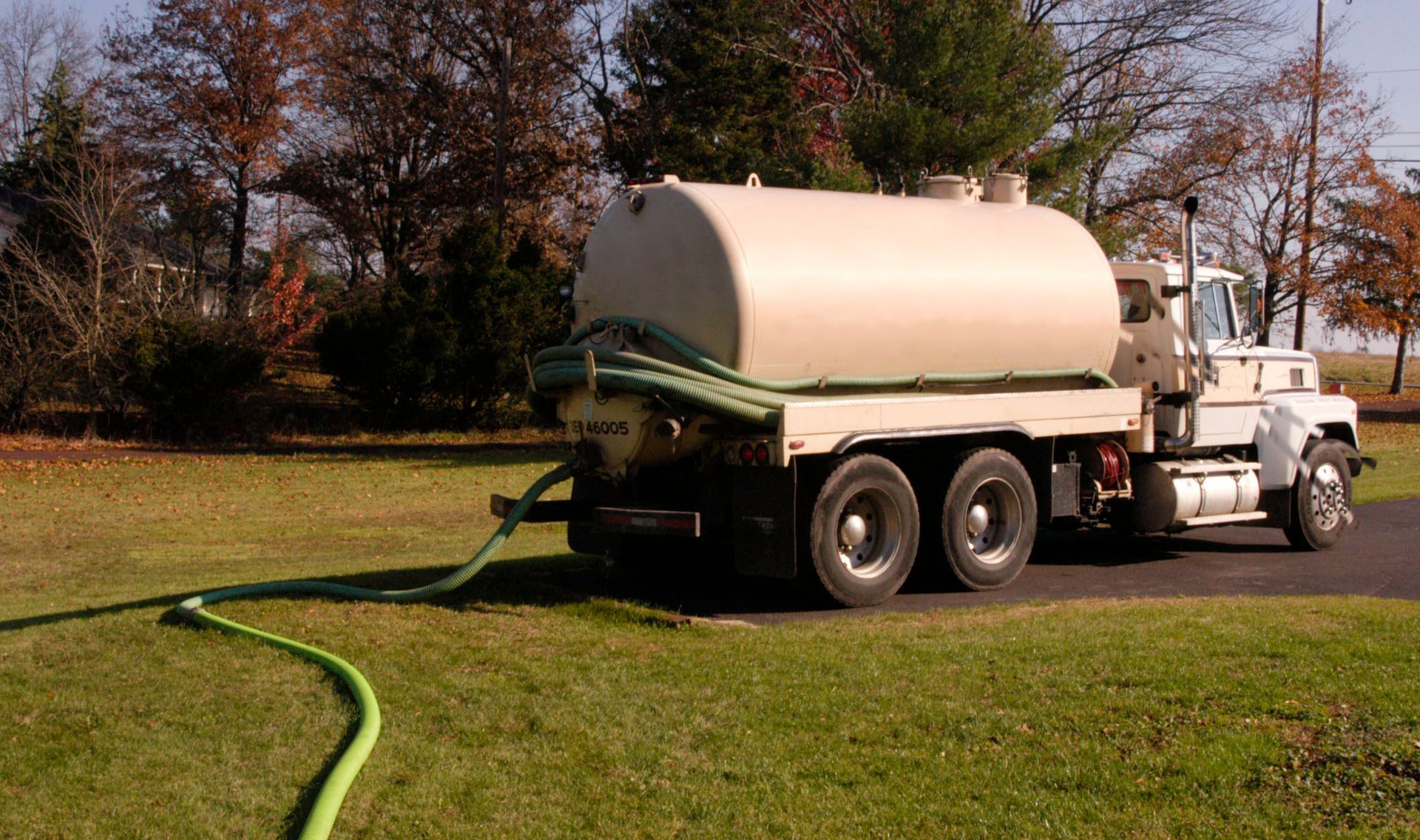
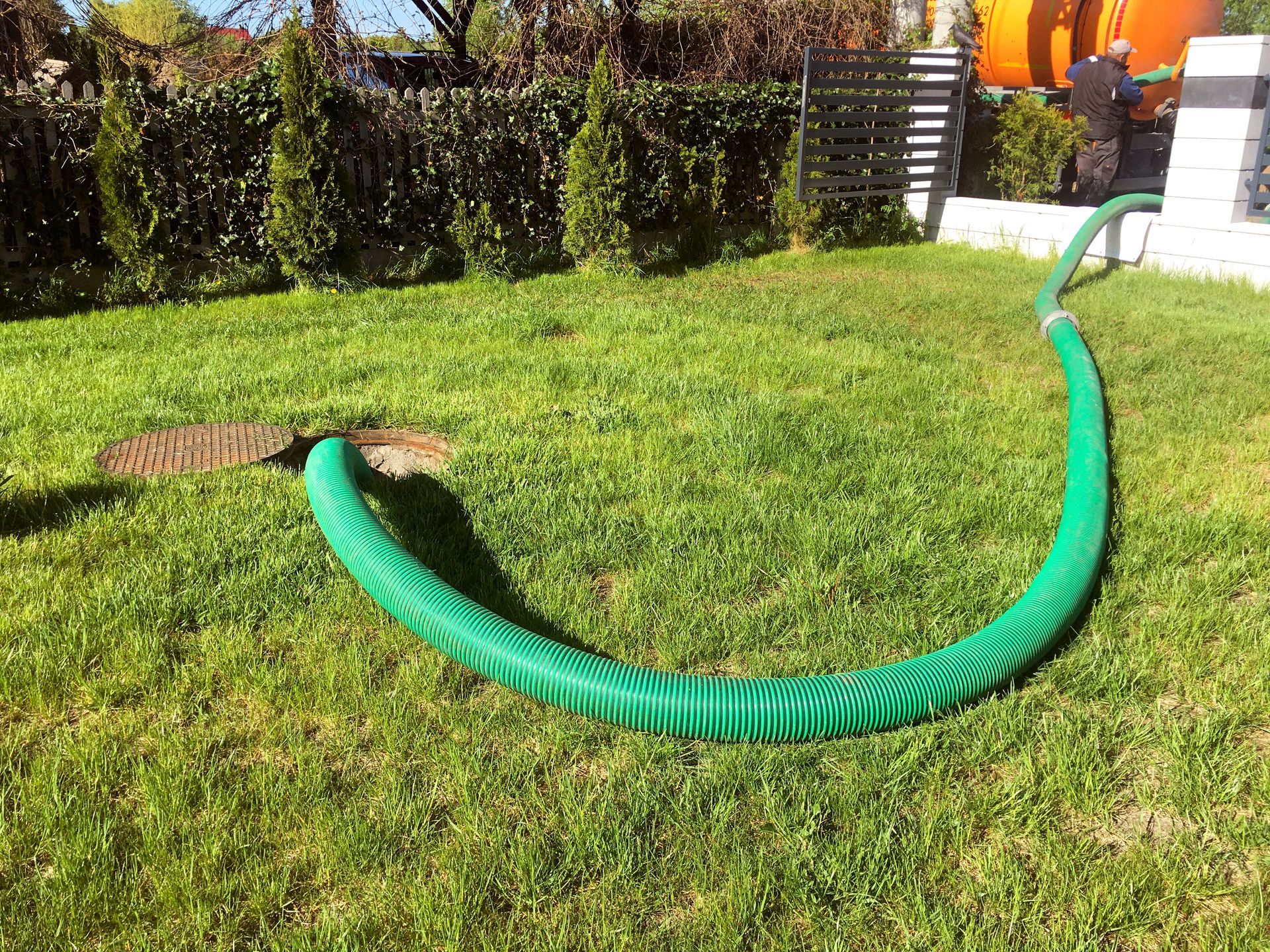
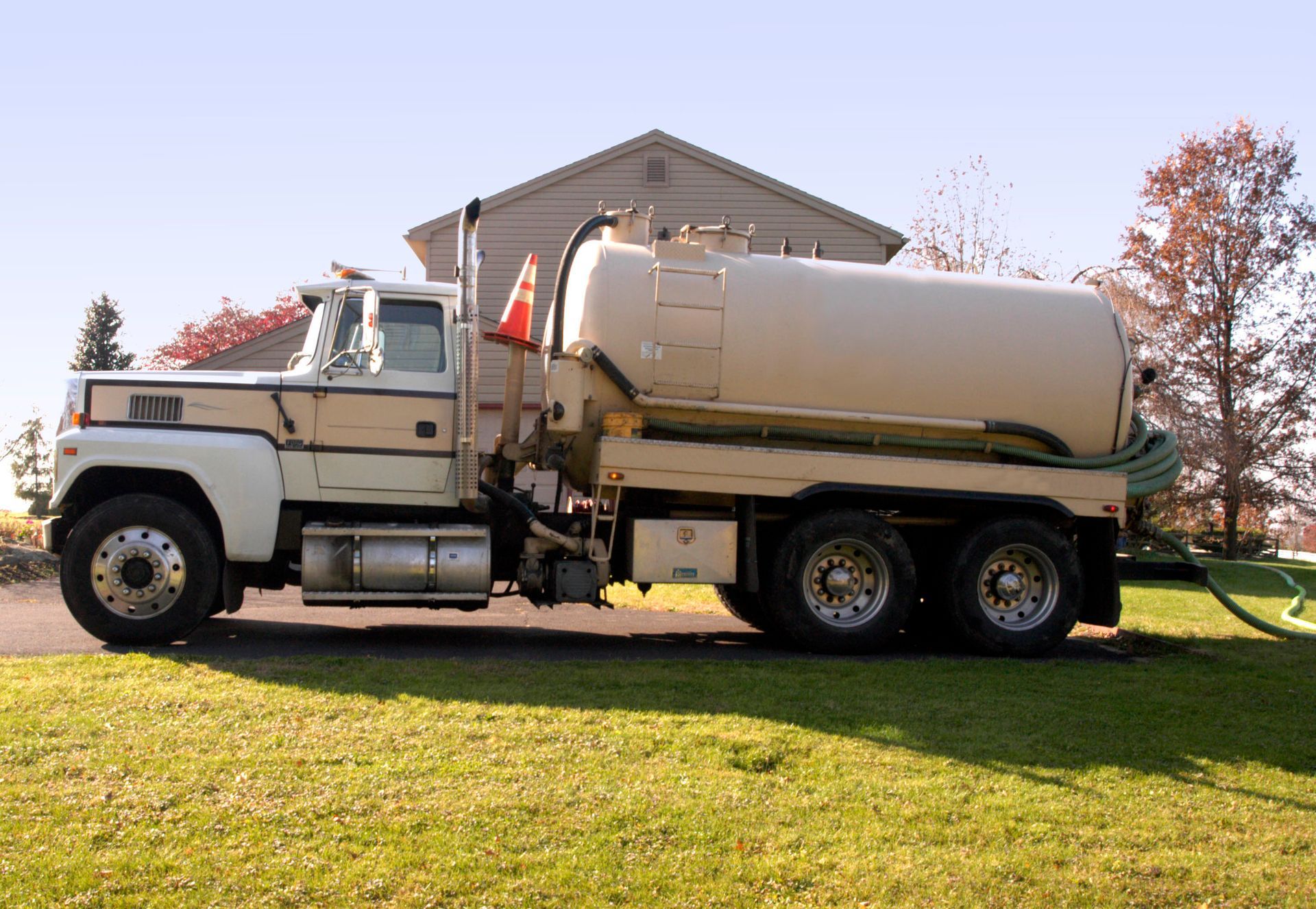
Routine septic pumping is one of the most critical services for maintaining a healthy septic system, as it removes the buildup of solids that naturally accumulate over time and prevents them from entering the drain field, where they can cause severe damage. Without this service, the system can become overloaded, leading to slow drains, unpleasant odors, and costly failures that could have been avoided with proper care.
According to This Old House, households with about 4 people using a standard 1,000-gallon septic tank should plan for septic pumping every 3 to 5 years to keep the system functioning properly. Homeowners should view septic pumping as a scheduled necessity rather than a reactive fix, ensuring that service is completed within this recommended timeframe to maintain efficiency and prevent system failure. Staying consistent with septic pumping helps extend the life of the entire system and reduces the risk of emergency repairs.
Establishing a routine schedule also makes budgeting easier and prevents last-minute service calls. Many homeowners coordinate septic pumping with other seasonal home maintenance tasks to ensure nothing is overlooked throughout the year.
Monitoring Household Water Usage and Waste Disposal Habits
Excessive water usage is one of the most common causes of septic system strain, as it can overload the tank and reduce the effectiveness of natural separation processes. Homeowners should be mindful of daily habits such as long showers, frequent laundry loads, and running multiple water-heavy appliances simultaneously. Spreading out water use throughout the day helps maintain balance within the system and reduces unnecessary stress on the drain field.
Good habits include:
- Fixing leaks promptly to prevent unnecessary water flow into the system.
- Spacing out laundry loads instead of running multiple cycles in one day.
- Installing water-efficient fixtures to reduce overall consumption.
- Avoiding excessive use of garbage disposals, which increases solid waste accumulation.
Maintaining these practices supports system efficiency and can reduce the frequency of required septic pumping over time, helping homeowners avoid unnecessary strain on the tank.
Identifying Warning Signs of Septic System Issues
Early detection of septic system issues is essential for preventing major damage and costly repairs. Common warning signs include slow drains, gurgling pipes, foul odors around the property, and unusually lush or soggy areas in the yard. These symptoms often indicate that the tank is full or that the drain field is failing, both of which may require services to restore proper function.
When these signs appear, homeowners should take immediate action to prevent further damage to the system. Recommended steps include:
- Reduce water usage immediately to avoid overloading the system.
- Avoid harsh chemicals, as they may worsen bacterial imbalance.
- Contact a professional septic service provider for evaluation.
- Schedule an inspection to determine whether septic pumping or additional maintenance is required.
Prompt response can help minimize damage, protect the drain field, and prevent more extensive repairs that could disrupt household operations.
Planning Long-Term Septic System Maintenance Strategy
Homeowners benefit greatly from establishing a long-term maintenance strategy that includes routine inspections, consistent care practices, and scheduled services to ensure the system remains functional over its entire lifespan. Planning ahead helps homeowners avoid unexpected expenses and budget for necessary services before emergencies arise. A well-maintained septic system can last for decades when properly cared for, but only if routine maintenance is not ignored.
Keeping detailed maintenance records is also essential, as it allows homeowners to track service history, identify patterns, and anticipate future needs. Setting calendar reminders for inspections and services ensures that no critical maintenance tasks are missed. Working with a trusted service provider creates consistency and helps maintain system reliability over time.
Understanding Professional Maintenance and Inspection Benefits
Professional maintenance and inspection services play a vital role in ensuring that septic systems operate safely and efficiently. Trained technicians can identify issues that are not visible to homeowners, such as early signs of tank damage, drain field saturation, or system imbalance. Regular professional evaluations help catch problems before they escalate, saving homeowners from expensive repairs and system failures. These services often include thorough inspections, system assessments, and recommendations for ongoing care tailored to the specific household.
Working with experienced providers also ensures that all components of the system are properly evaluated and maintained. Homeowners gain peace of mind knowing their system is being monitored by professionals who understand regulatory requirements and best practices. This level of oversight helps extend the system's lifespan, improve efficiency, and reduce the likelihood of emergency situations that can disrupt daily life.
Maintaining Seasonal Septic System Care Practices
Seasonal changes can significantly impact septic system performance, making it important for homeowners to adjust maintenance practices throughout the year. In colder months, freezing temperatures can affect pipes and reduce system efficiency, while heavy rainfall in spring or summer can saturate the drain field, limiting proper absorption. Preparing for these seasonal challenges helps maintain consistent system performance and prevents avoidable issues.
Seasonal care checklist includes:
- Protect the drain field from heavy vehicles or equipment.
- Manage surface runoff to prevent saturation.
- Insulate exposed pipes during freezing conditions.
- Monitor system performance after heavy storms or extended wet periods.
These steps help ensure year-round reliability and reduce strain on the system.
Maintaining a septic system requires consistency, awareness, and proactive care, but the effort pays off in long-term reliability and reduced repair costs. By following a structured maintenance checklist, homeowners can prevent system failures, improve efficiency, and protect their property investment. For dependable service, expert guidance, and long-term septic system care, contact Busch Bros Cesspool Sewer & Drain, Corp for assistance tailored to your property’s needs.